
Craving comfort food fast? This 10-minute miso noodle soup delivers rich umami flavor with simple ingredients. Perfect for busy weeknights!
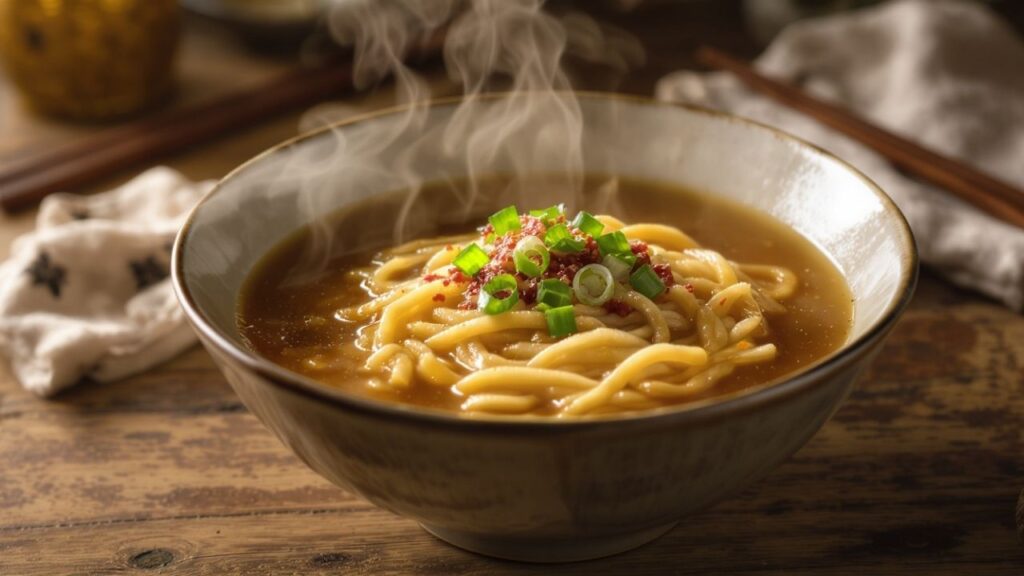
You know those nights when you walk through the door absolutely exhausted, and the thought of cooking feels impossible? That’s exactly when this miso noodle soup becomes your best friend. I created this recipe during one of those crazy weeks when I needed something warming, satisfying, and ridiculously quick. What started as a desperate dinner solution has become my go-to comfort meal that I genuinely crave.
This isn’t just another quick recipe—it’s a bowl of pure comfort that happens to come together faster than ordering takeout. The beautiful thing about miso noodle soup is how it transforms a handful of pantry staples into something that tastes like you’ve been simmering it for hours. The secret? A carefully balanced broth base that packs serious umami punch without any complicated techniques.
I’ve made this recipe countless times, tweaking it until every spoonful delivers that perfect savory-sweet-slightly-spicy balance. Whether you’re a college student living in a dorm, a busy parent juggling everything, or just someone who appreciates really good food without the fuss, this miso noodle soup will fit seamlessly into your life. And the best part? You probably have most of these ingredients already sitting in your pantry.
Recipe Information
- Servings: 1 generous serving (easily doubled or tripled)
- Prep Time: 5 minutes
- Cooking Time: 5 minutes
- Total Time: 10 minutes
- Calories: Approximately 300 calories per serving (without added protein)
Why This Miso Noodle Soup Works
What makes this recipe special is its simplicity. Unlike traditional Japanese ramen shops that spend days developing their broths, this version captures those complex flavors in just minutes. The miso paste provides that signature fermented depth, while the chicken bouillon adds body and richness. A splash of mirin brings subtle sweetness, and the toasted sesame oil? That’s the ingredient that makes people ask, “What makes this taste so good?”
I’ve tested this recipe with busy friends who claimed they “couldn’t cook,” and every single one reported back that they’d made it multiple times. That’s the real test, right? When something becomes part of your regular rotation rather than a one-time experiment, you know you’ve got a winner.
Ingredients
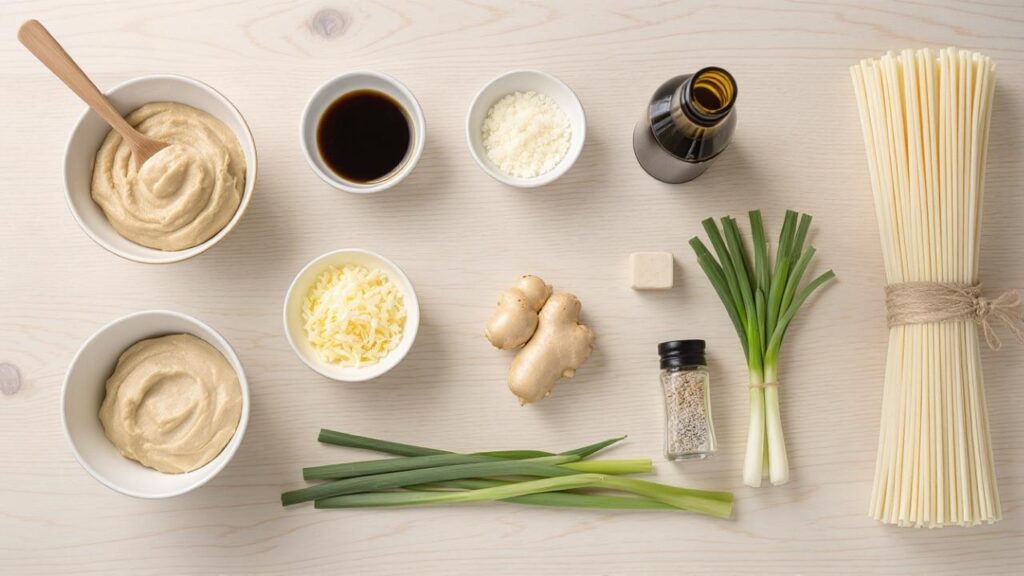
Here’s everything you need for this incredibly satisfying miso noodle soup. I’ve included notes about each ingredient so you understand what it brings to the bowl:
For the Broth Base:
- ½ tablespoon miso paste (white or yellow miso works beautifully—these varieties are milder and slightly sweet)
- 1 teaspoon chicken bouillon (swap for vegetable bouillon if you’re keeping it vegetarian)
- 1 teaspoon soy sauce (tamari works great for gluten-free needs)
- ½ teaspoon mirin (this Japanese sweet rice wine adds subtle complexity)
- ¼ teaspoon toasted sesame oil (a little goes a long way with this aromatic oil)
- ½-inch piece fresh ginger, grated (fresh is really important here—the brightness can’t be replicated with dried)
- Dash of white pepper (this adds gentle heat without overwhelming the other flavors)
- 1½ cups hot water (adjust based on how concentrated you like your broth)
For the Noodles:
- Your preferred noodles (I absolutely love Japanese ramen noodles, but udon, soba, or even thin spaghetti work in a pinch)
For Garnish:
- 2-3 green onions, thinly sliced
- Chili oil for drizzling (optional, but highly recommended)
Optional Protein Additions:
- ½ cup shredded rotisserie chicken
- ½ cup cubed firm tofu, pan-fried until golden
Step-by-Step Instructions
Making this miso noodle soup is genuinely foolproof. I’ve broken it down into simple steps that anyone can follow, even if you’re brand new to cooking.
Step 1: Create Your Flavor Base Grab a large, heatproof bowl—this is where everything comes together. Add your miso paste, chicken bouillon, soy sauce, mirin, toasted sesame oil, freshly grated ginger, and a good dash of white pepper. This combination might look simple, but trust me, magic is about to happen when hot water hits these ingredients.
Step 2: Get Your Noodles Going While you’re assembling your broth ingredients, start cooking your noodles according to the package directions. For ramen noodles, this usually means 3-4 minutes in boiling water. The timing works out perfectly—your noodles will be ready right when your broth is mixed and waiting.
Step 3: Build the Broth Pour approximately 1½ cups of hot water (just off the boil is perfect) into your bowl with all those flavor-packed ingredients. Now here’s an important tip: you can adjust this amount based on personal preference. Like a stronger, more concentrated miso noodle soup? Use less water. Prefer it lighter? Add a bit more.
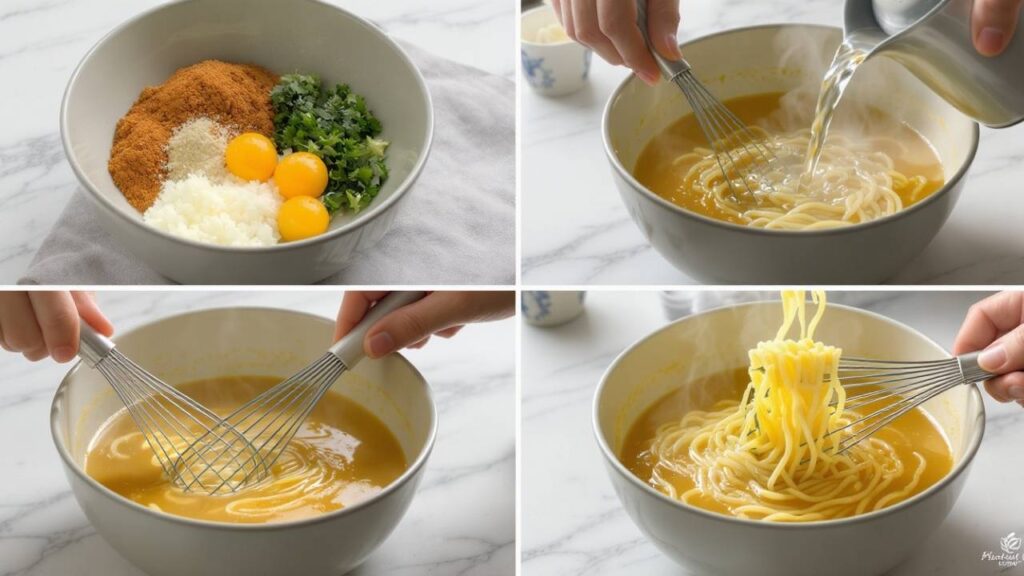
Step 4: Whisk It Smooth Using a whisk or even just a fork, stir everything together thoroughly. You want that miso paste completely dissolved with no lumps floating around. The broth should look smooth and have a beautiful golden-brown color. Take a tiny taste here—this is your chance to adjust. Need more saltiness? Add a splash more soy sauce. Want it richer? Another dab of miso paste works wonders.
Step 5: Add Your Noodles Once your noodles are perfectly cooked (tender but still with a slight bite), drain them well and transfer them directly into your prepared broth. Give everything a gentle stir so the noodles get coated in all that flavorful liquid.
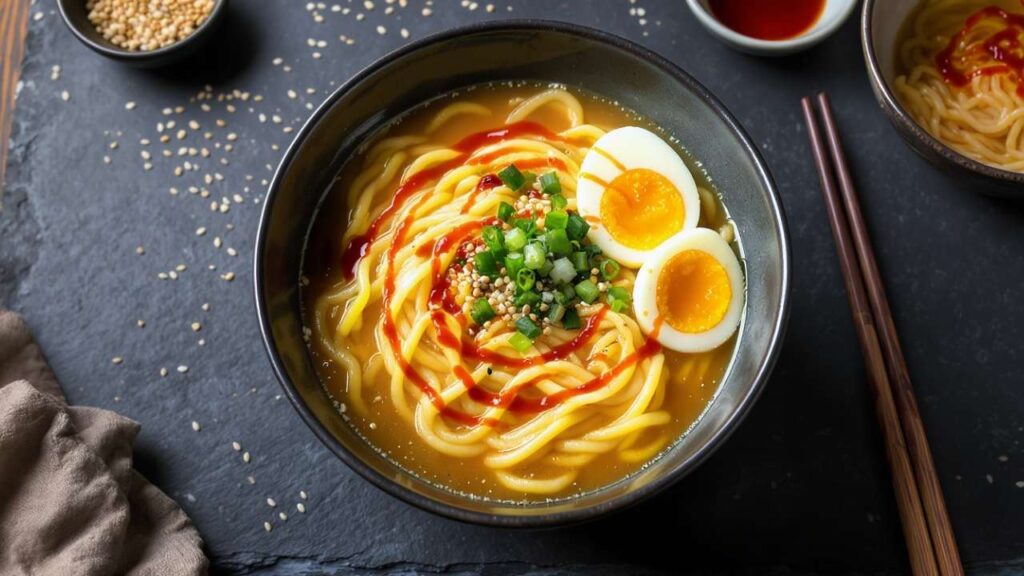
Step 6: Garnish and Customize Scatter those freshly sliced green onions over the top. The color contrast alone makes this dish Instagram-worthy, but they also add a fresh, sharp bite that balances the rich broth perfectly. If you’re a spice lover like me, drizzle some chili oil over everything—it adds both heat and a gorgeous red swirl.
Step 7: Boost with Protein (Optional) Want to turn this into a more substantial meal? Stir in some shredded rotisserie chicken or those golden cubed tofu pieces. They’ll warm through in the hot broth within seconds, and suddenly you’ve got a complete, protein-packed meal that still took less than 10 minutes.
Chef’s Tips for the Perfect Bowl
After making this miso noodle soup dozens of times, I’ve picked up some tricks that make a real difference:
Choose Your Miso Wisely: Not all miso paste is created equal. White (shiro) miso is mild and slightly sweet—perfect for beginners and those who find stronger miso overwhelming. Yellow (shinsu) miso sits in the middle with balanced flavor. Red (aka) miso is bold and intense. For this quick recipe, I strongly recommend starting with white or yellow miso. You can always experiment with red miso once you know you love the basic recipe.
Don’t Skip the Fresh Ginger: I know it’s tempting to reach for ground ginger from your spice cabinet, but please don’t. Fresh grated ginger brings a brightness and zing that powdered simply can’t match. Keep a piece of ginger in your freezer—it grates even easier when frozen, and it’ll last for months.
Water Temperature Matters: Use hot water, not boiling. Boiling water can sometimes make miso paste taste bitter or “cooked out.” Water that’s just off the boil preserves those beneficial probiotics in the miso and keeps the flavor more balanced.
Customize Your Heat Level: The dash of white pepper provides gentle warmth, but this miso noodle soup is incredibly forgiving. Love spice? Add sriracha to your broth base or go heavy on that chili oil garnish. Prefer it mild? Skip the pepper entirely and enjoy the pure umami flavors.
Make It a Meal: While this soup is satisfying on its own, a few additions transform it into a complete dinner. Soft-boiled eggs with jammy yolks, baby spinach that wilts in the hot broth, sweet corn kernels, or thin slices of mushrooms all work beautifully. I’ve even added leftover roasted vegetables with great success.
Variations to Try
One reason I make this miso noodle soup so frequently is how easily it adapts to what I have available or what I’m craving:
Vegetarian/Vegan Version: Swap chicken bouillon for vegetable bouillon, and you’re most of the way there. Make sure your noodles are egg-free (many ramen noodles contain egg, but udon and soba are often vegan). Add extra vegetables and tofu for protein, and you’ve got a completely plant-based meal.
Seafood Twist: Stir in some cooked shrimp or add a handful of small clams during the last minute of cooking. The seafood flavors pair beautifully with miso.
Spicy Miso Noodle Soup: Mix a teaspoon of gochugaru (Korean red pepper flakes) or a spoonful of chili paste into your broth base for serious heat.
Creamy Version: Add a splash of coconut milk or a tablespoon of tahini to your broth for extra richness and a slightly different flavor profile.
Mushroom Lovers: Sauté sliced shiitake or button mushrooms in a little oil until golden, then add them to your soup. Mushrooms and miso are a match made in umami heaven.
Storage and Reheating Instructions
While this miso noodle soup is best enjoyed fresh (and takes only 10 minutes anyway!), here’s what to know about storage:
Storing Components Separately: If you want to prep ahead, mix your broth base ingredients (without the water) and store in the fridge for up to 3 days. Cook noodles fresh when ready to eat for the best texture.
Leftover Soup: Store any leftover assembled soup in an airtight container in the refrigerator for up to 2 days. Note that noodles will continue absorbing liquid and become softer over time.
Reheating: Gently reheat on the stovetop over medium-low heat, adding a splash of water or broth if it’s too thick. Avoid boiling, which can break down the miso’s flavor. Microwave works too—heat in 30-second intervals, stirring between each, until warmed through.
Nutrition Information
Here’s the approximate nutritional breakdown for one serving of miso noodle soup (without added protein):
- Calories: 300
- Protein: 10g
- Fat: 6g
- Carbohydrates: 48g
- Sodium: 950mg
- Fiber: 3g
Note: Values vary based on specific ingredients used, noodle type, and optional additions. Adding rotisserie chicken or tofu will increase protein and calories. To reduce sodium, use low-sodium soy sauce and reduce chicken bouillon.
Frequently Asked Questions
Can I make this miso noodle soup gluten-free? Absolutely! Use tamari instead of soy sauce and choose gluten-free noodles like rice noodles or gluten-free ramen. Most miso paste is naturally gluten-free, but always check labels to be sure.
What’s the difference between white, yellow, and red miso? The color indicates fermentation time and intensity. White miso (shiro) is fermented shortest and has a mild, slightly sweet flavor—perfect for this quick soup. Yellow (shinsu) is medium-bodied. Red (aka) is fermented longest, creating a strong, salty, deeply savory paste better suited for heartier dishes.
Can I prep ingredients ahead of time? Yes! Combine all your broth base ingredients (except water) in a bowl, cover, and refrigerate for up to 3 days. When ready to eat, just add hot water and cooked noodles. Grate ginger fresh for best flavor, though you can prep it a day ahead.
Is miso paste the same as miso soup mix packets? No. Miso paste is a fermented soybean paste that’s a traditional Japanese ingredient. Instant miso soup packets contain dried miso with added salt, dried seaweed, and seasonings. For this recipe, use actual miso paste—the flavor and quality are significantly better.
What noodles work best for miso noodle soup? Fresh or dried ramen noodles are my top choice for authentic texture. Udon noodles work wonderfully if you prefer something thicker and chewier. Soba (buckwheat) noodles add a nutty flavor. In a pinch, even thin spaghetti or angel hair pasta works surprisingly well!
Why This Recipe Matters
In our fast-paced world, knowing how to make a genuinely satisfying meal in 10 minutes feels like a superpower. This miso noodle soup has gotten me through countless busy evenings, late-night study sessions, and those days when cooking felt overwhelming. It’s proof that quick doesn’t mean compromising on flavor or nutrition.
The beauty of this recipe goes beyond speed. It introduces you to fundamental Japanese ingredients that can transform your everyday cooking. Once you’ve got miso paste, mirin, and quality soy sauce in your pantry, a whole world of simple, delicious meals opens up. This soup is often the gateway recipe that gets people comfortable with these ingredients.
I’ve shared this miso noodle soup recipe with friends dealing with colds (the ginger and warm broth are wonderfully soothing), new parents who barely have time to eat, and college students discovering that cooking doesn’t have to be complicated or expensive. Every single person has told me it’s become a regular part of their routine. That’s the highest compliment any recipe can receive.
Let’s Connect!
I hope this miso noodle soup brings you as much joy and comfort as it’s brought me! If you make it, I’d absolutely love to see your creation.
Share your bowls with our community:
- Follow us on Instagram @organicrecipeguide and tag us in your photos—I check every single one and often share favorites to our stories!
- Join our Facebook community where home cooks share their variations and cooking tips
- Find more recipe inspiration on Pinterest where we pin weekly meal ideas
- Watch recipe videos on our YouTube channel for more quick cooking tutorials
- Check out quick recipe videos on our TikTok @pinrecipe99 for 60-second cooking inspo
For even more recipes like this one, visit Organic Recipe Guide, where we share simple, delicious recipes that fit real life. And if you want all our links in one place, check out our Linktree.
Did you add your own twist to this miso noodle soup? I’m always fascinated by how people make recipes their own. Drop a comment below telling me what you added or changed—your variation might inspire someone else’s next favorite meal!
More Quick Asian-Inspired Recipes You’ll Love
If this 10-minute wonder impressed you, you’ll want to check out these other speedy recipes on Organic Recipe Guide:
- 15-Minute Vegetable Stir-Fry – Another weeknight hero with maximum flavor and minimal time
- Quick Teriyaki Chicken Bowl – Sweet, savory, and ready faster than delivery
- Easy Coconut Curry Soup – Creamy comfort when you need something different from miso noodle soup
Final Thoughts
This miso noodle soup represents everything I love about cooking: simple ingredients, minimal time, maximum flavor. It’s the recipe I turn to when I need comfort, convenience, and something that actually tastes homemade. No compromises, no shortcuts that sacrifice quality—just a genuinely delicious bowl of soup that happens to be ready in 10 minutes.
The next time you’re standing in your kitchen wondering what to make, remember this recipe. You’re always just 10 minutes away from something warm, satisfying, and absolutely delicious. That’s a pretty powerful thing to have in your back pocket.
Now go make yourself a bowl. You deserve it.